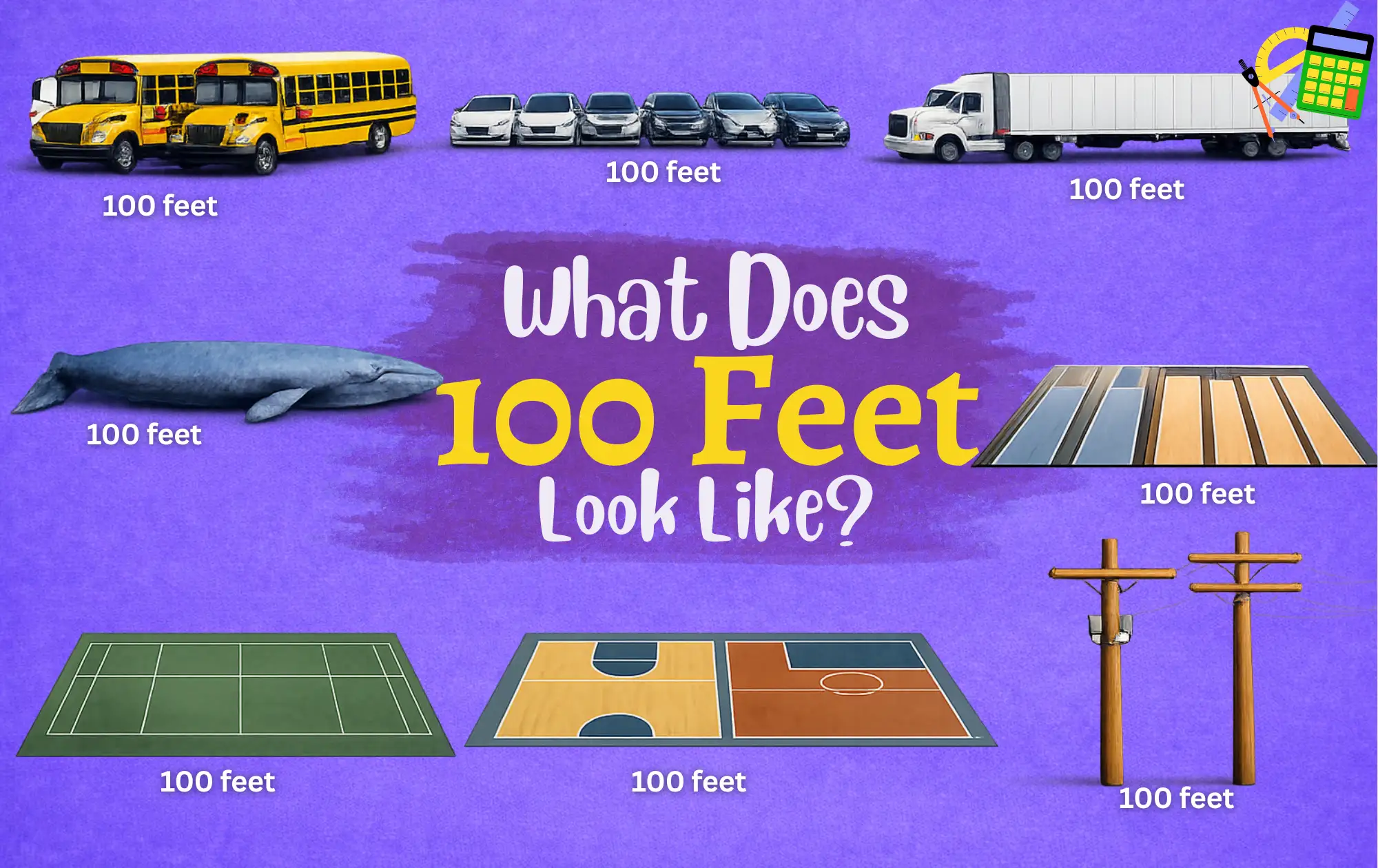
Understanding 100 feet length is tricky without real-world comparison. Numbers alone don’t help most people picture distance clearly. This guide explains how long 100 feet is using everyday examples you already know.
How Long Is 100 Feet?
| Unit | 100 Feet Equals |
|---|---|
| Inches | 1,200 inches |
| Meters | 30.48 meters |
| Centimeters | 3,048 centimeters |
| Millimeters | 30,480 millimeters |
| Yards | 33.33 yards |
| Miles | 0.01894 miles |
Quick Reference List
| Object | Approx. Length (in feet) | Closeness to 100 Feet | Best Situation |
|---|---|---|---|
| School Bus Lineup | 105–120 ft (3 buses) | 9 / 10 | Road and traffic visualization |
| Ten Parked Cars | 95–100 ft | 10 / 10 | Parking and spacing reference |
| Semi-Truck With Trailer | 70–80 ft | 7 / 10 | Highway and freight context |
| Basketball Court Length | 94 ft | 9 / 10 | Sports space comparison |
| Combined Tennis Court Length | 90–100 ft | 9 / 10 | Athletic movement spacing |
| Bowling Lanes End-to-End | 90–100 ft | 9 / 10 | Indoor distance reference |
| Blue Whale Length | 85–100 ft | 10 / 10 | Natural scale comparison |
| Two Standard Telephone Poles | 80–90 ft | 8 / 10 | Outdoor utility spacing |
| Residential House Frontage | 95–105 ft (2 homes) | 9 / 10 | Property and lot width |
| Office Hallway Stretch | 80–120 ft | 8 / 10 | Indoor walking distance |
| Shipping Container Row | 100 ft (5 containers) | 10 / 10 | Industrial and port layout |
More Posts: 80 Feet Length With 12 Everyday Examples
Vehicles & Transportation
School Bus Lineup
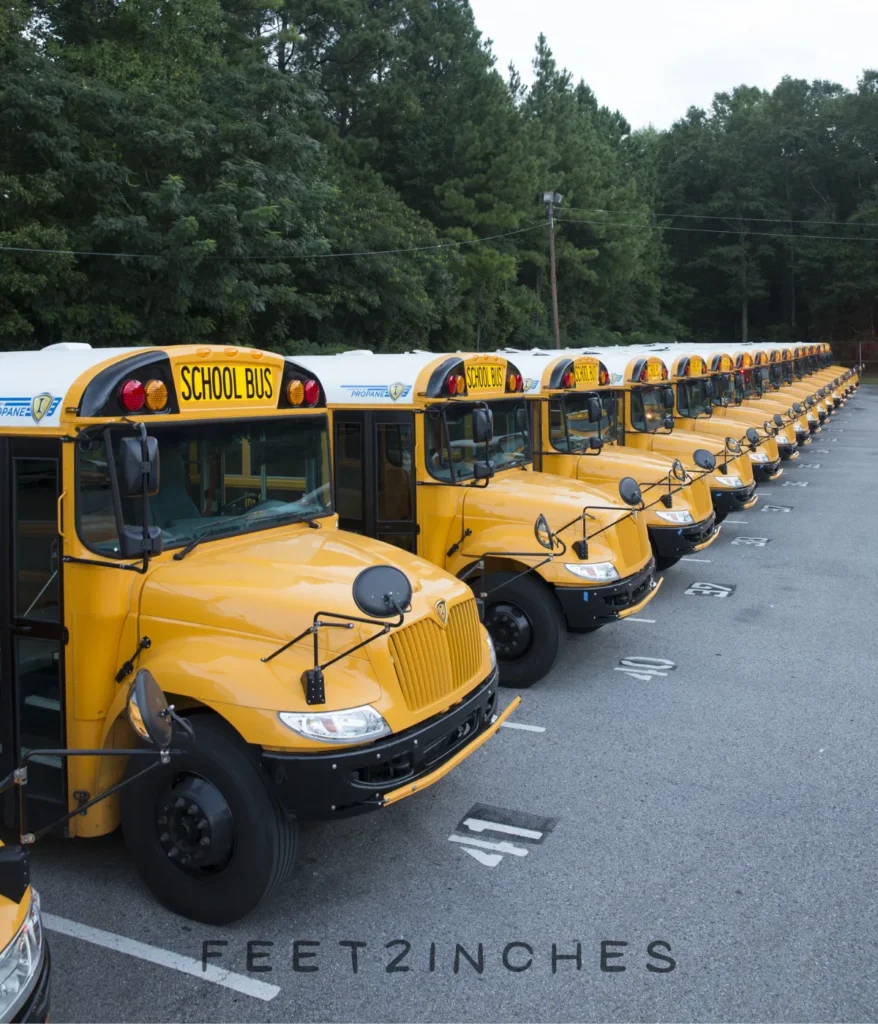
A standard school bus measures about 35 to 40 feet long. Placing nearly three buses end to end equals 100 feet length.
This comparison is common in traffic planning and road safety layouts. It gives a strong visual sense of how long 100 feet appears on roads.
Ten Parked Cars

An average car is about 9.5 to 10 feet long. Ten cars parked bumper to bumper equal 100 feet length.
Parking lots often use this reference for spacing and design. It’s one of the easiest ways to imagine how long 100 feet is.
Semi-Truck With Trailer
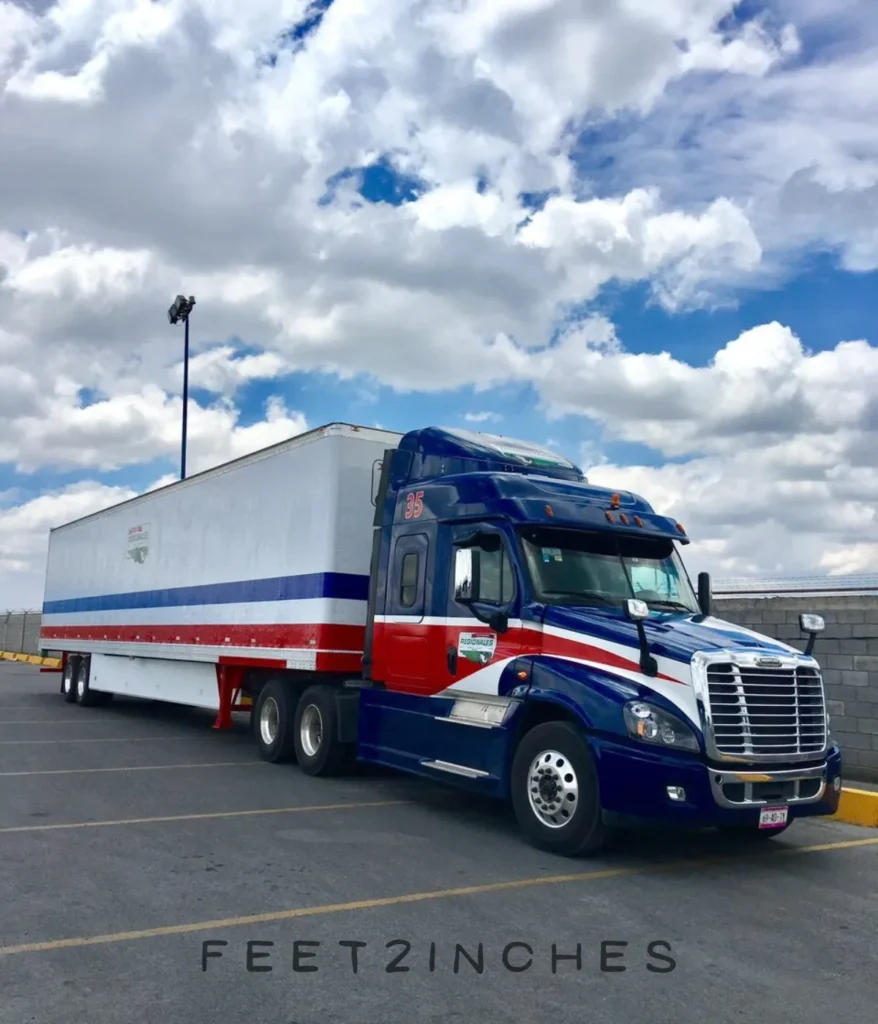
A full semi-truck with trailer can reach 70 to 80 feet. With a small buffer, it visually approaches 100 feet length.
This is common in freight yards and highway rest areas. It helps drivers judge long stopping and turning distances.
Sports & Recreation
Basketball Court Length
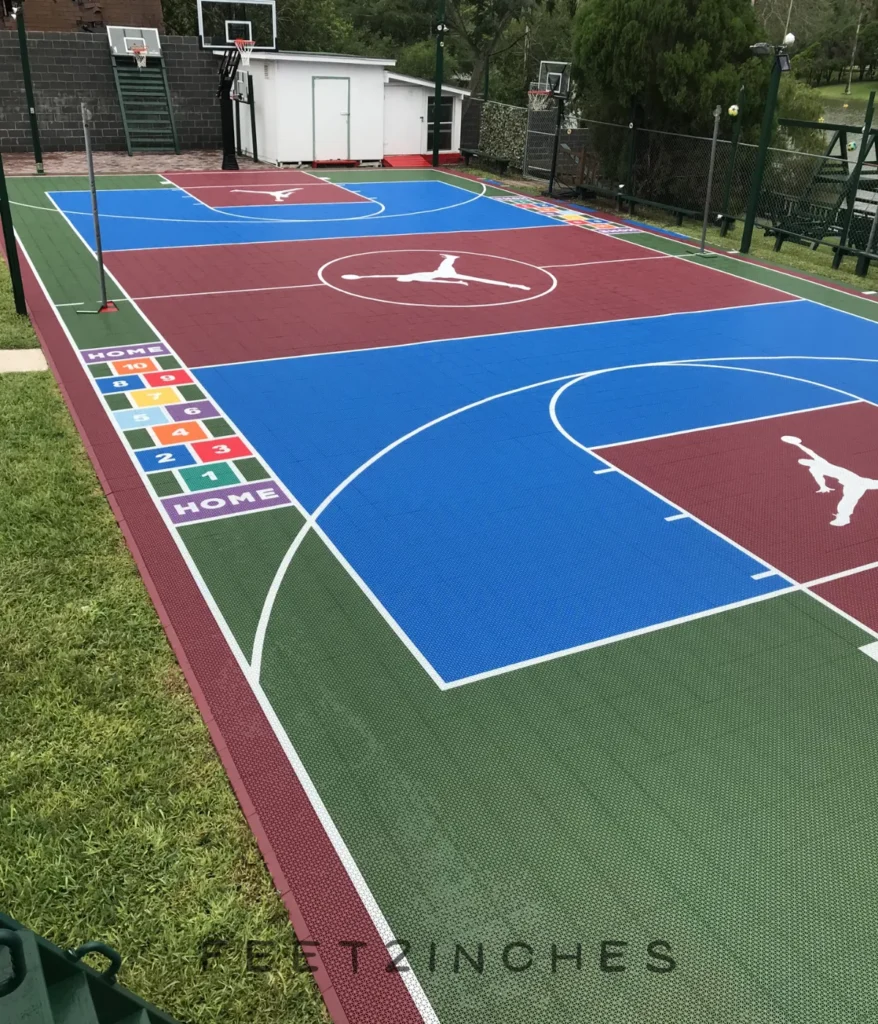
A professional basketball court is 94 feet long. That’s just 6 feet shorter than 100 feet length.
This makes courts an excellent near-perfect comparison. Many people instantly recognize this familiar sports space.
Combined Tennis Court Length

A tennis court measures 78 feet from baseline to baseline. Adding the run-off area brings it close to 100 feet.
Players often walk this distance repeatedly during matches. It helps athletes understand movement and spacing visually.
Bowling Lanes End-to-End

One bowling lane is about 60 feet long. One and a half lanes visually match 100 feet length.
Bowling centers use this measurement for safety clearances. It gives indoor perspective on long linear distances.
Nature & Outdoor References
Blue Whale Length

The largest blue whales grow up to 100 feet long. This makes them a natural example of 100 feet length.
Seeing images of blue whales helps grasp massive scale. It shows how large 100 feet truly is in nature.
Two Standard Telephone Poles
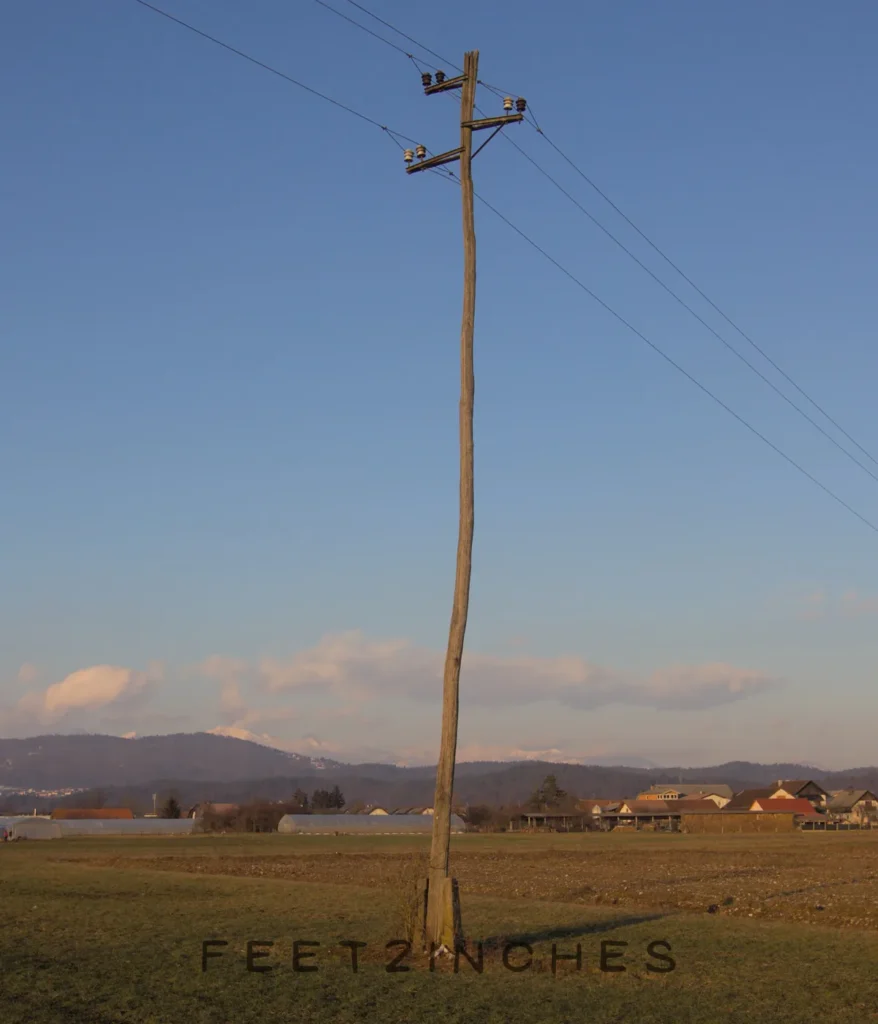
A single utility pole averages 40 to 45 feet tall. Two poles laid end to end approach 100 feet length.
Utility workers use this spacing for cable planning. It’s a common outdoor distance reference.
Buildings & Structures
Residential House Frontage

Large suburban homes may span 50 feet across. Two such homes side by side equal 100 feet length.
This helps visualize property lines and lot widths. Real estate planners use this measurement often.
Office Hallway Stretch
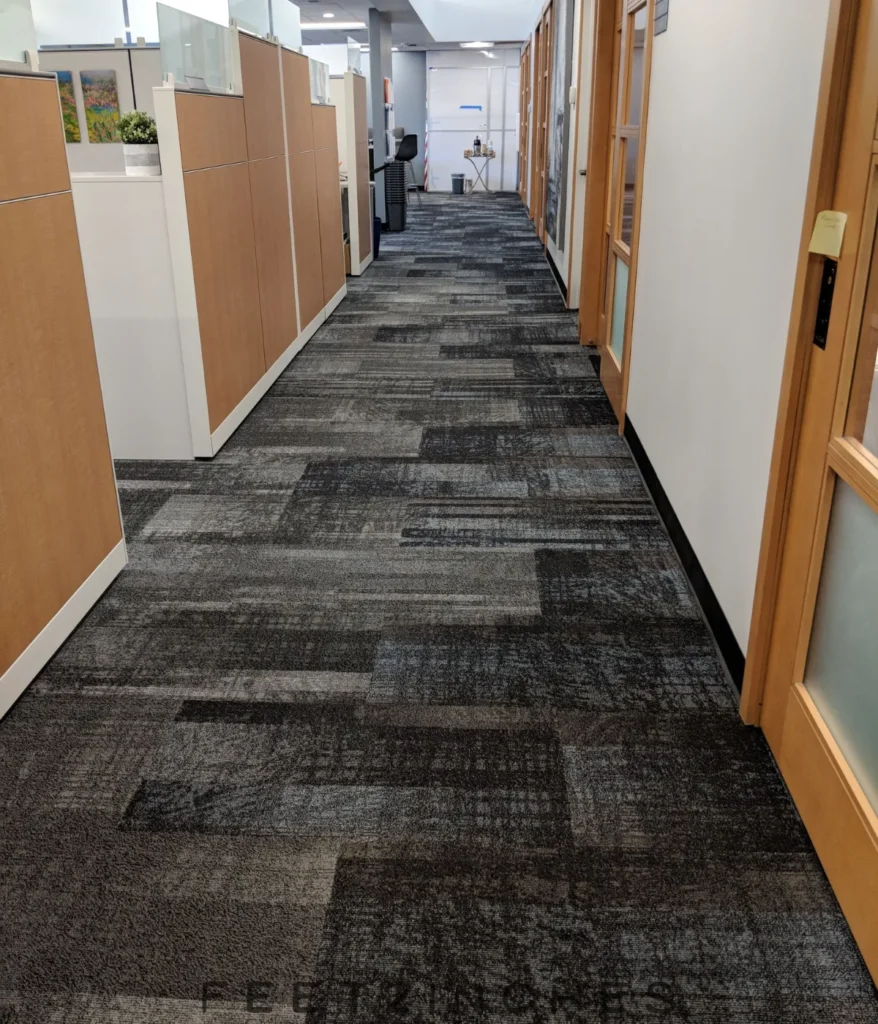
Many office hallways range from 80 to 120 feet. A long hallway often equals 100 feet length.
Walking this distance takes about 30 seconds. It’s an easy indoor way to judge space.
Shipping Container Row
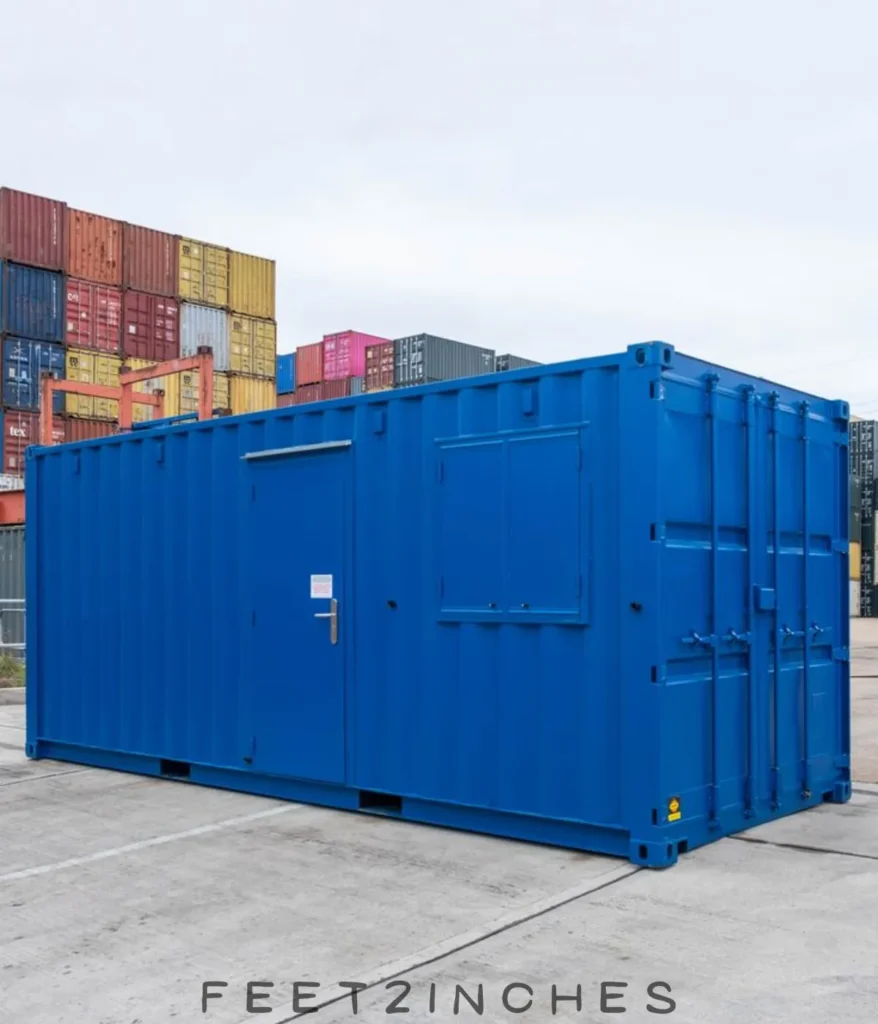
A standard shipping container is 20 feet long. Five containers in a row equal 100 feet length.
Ports and warehouses use this spacing constantly. It’s a precise industrial comparison.
More Posts: 50 Feet Length With 10 Everyday Examples
FAQ’s
How many car lengths is 100 feet?
100 feet equals about ten average cars parked in a line. This is based on cars averaging 10 feet in length.
How far is 100 feet visually to walk?
Most adults walk 100 feet in about 30 to 35 steps. It takes roughly 20 to 25 seconds at normal speed.
How to imagine 100 feet?
Picture a basketball court or ten parked cars. These visuals closely match 100 feet length.
How many stories tall is 100 feet?
One building story averages 10 to 11 feet. So 100 feet equals about 9 to 10 stories tall.
How to measure 100 feet by walking?
Count around 33 normal walking steps. This method gives a close estimate of 100 feet.
What vehicle is 100 feet long?
Some extended semi-trucks approach 100 feet. Oversized transport vehicles often reach this length.
What does 100 feet look like?
It looks like a basketball court or blue whale. These comparisons give instant scale recognition.
How far is a 12 minute walk?
A 12-minute walk covers about 0.5 miles. That equals roughly 2,640 feet, far beyond 100 feet.
How many feet long is a car’s length?
Most cars measure between 9 and 10 feet long. Ten cars together equal 100 feet length.
Conclusion
100 feet length becomes clear with familiar objects. Everyday examples turn abstract numbers into real visuals. Now you can confidently picture how long 100 feet is anywhere.

Hi, I’m Lachlan, the admin at Feet2Inches.com. We simplify measurements with our free feet to inches calculator—fast and accurate for any project.
Explore our blogs for tips on units like meters and yards. From DIY to daily conversions, we’ve got you.
Questions? Email admin@feet2inches.com. Let’s measure right together!